GST and QST: Understanding Your Tax Obligations in Quebec
Registration, filing, input tax credits: master your GST and QST obligations as a Quebec business.
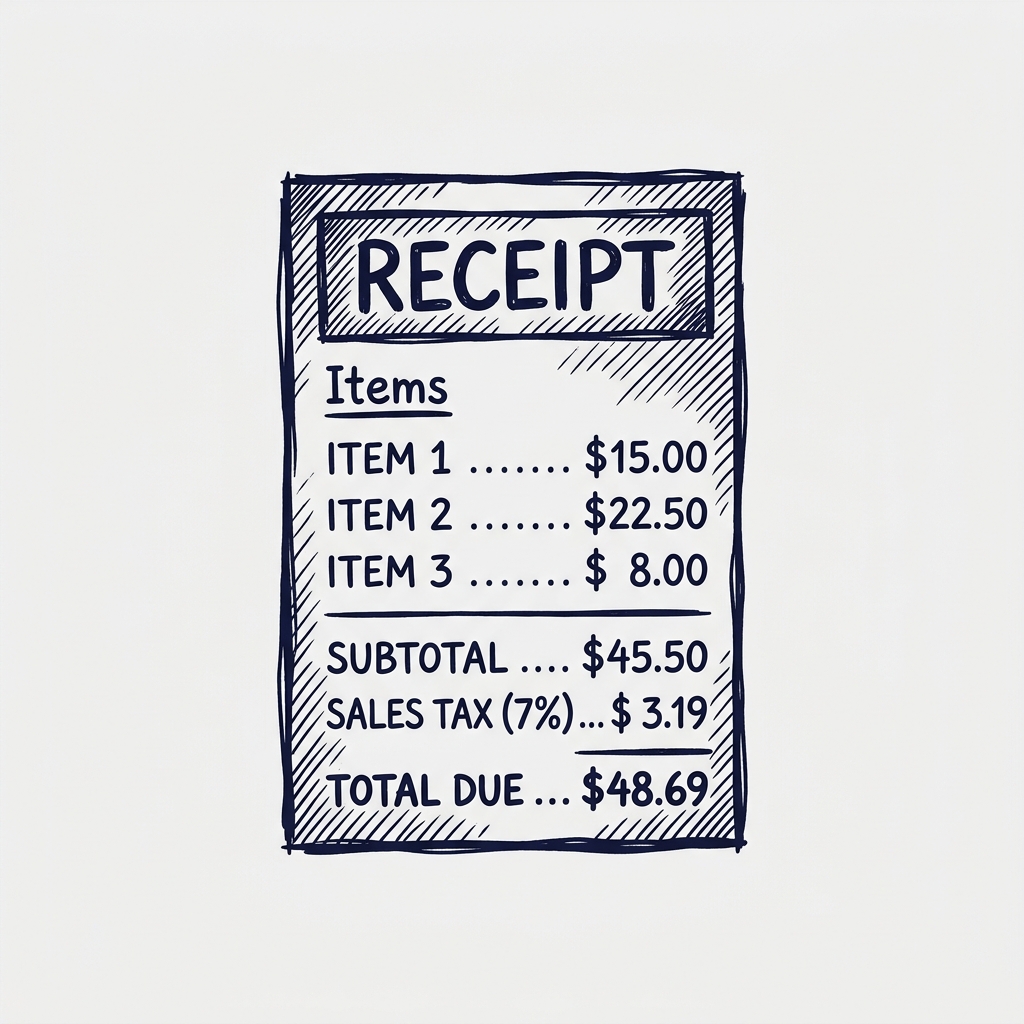
The Goods and Services Tax (GST) and Quebec Sales Tax (QST) are unavoidable realities for Quebec businesses. Understanding your sales tax obligations is essential to avoiding penalties and optimizing your cash flow. Here’s everything you need to know.
When Must You Register?
You must register for GST and QST when your total worldwide taxable supplies exceed $30,000 over four consecutive calendar quarters or in a single calendar quarter. This threshold applies to most small suppliers. Once the threshold is exceeded, registration is mandatory — you must begin collecting and remitting taxes on your taxable sales.
Note that you can voluntarily register before reaching the $30,000 threshold. Voluntary registration can be advantageous if you incur significant taxable expenses (for example, during your business startup), as it allows you to claim input tax credits from day one.
GST and QST Rates Explained
In Quebec, businesses must collect two separate sales taxes:
- GST (federal tax): 5% — collected on behalf of the Government of Canada and remitted to the Canada Revenue Agency (CRA)
- QST (provincial tax): 9.975% — collected on behalf of the Government of Quebec and remitted to Revenu Québec
The effective combined rate is therefore 14.975% on taxable supplies. Unlike other provinces that use the Harmonized Sales Tax (HST), Quebec maintains two distinct taxes with separate filings.
Collecting and Remitting Sales Tax
As a registrant, you are required to collect GST and QST on most goods and services you sell in Quebec. You essentially act as an agent of the government: you collect taxes from your customers and remit them to tax authorities according to your reporting period. It’s important not to consider collected taxes as business revenue — these amounts belong to the government and must be remitted within prescribed deadlines.
Input Tax Credits (ITCs) and Input Tax Refunds (ITRs)
One of the main benefits of sales tax registration is the ability to recover taxes paid on your business purchases. ITCs (for GST) and ITRs (for QST) allow you to recover the tax paid on goods and services used in the course of your commercial activities. To claim these credits, you must:
- Be registered for GST and QST
- Have paid tax on purchases used in your commercial activities
- Have the required supporting documentation (invoices with the supplier’s GST/QST number)
- Claim credits within four years of the filing deadline for the return
Filing Frequency: Annual, Quarterly, or Monthly?
Your filing frequency depends on your annual revenue:
- Annual: taxable revenues of $1,500,000 or less — file once per year
- Quarterly: taxable revenues between $1,500,001 and $6,000,000 — file four times per year
- Monthly: taxable revenues over $6,000,000 — file every month
Even with annual filing, you may be required to make quarterly installment payments if your net tax exceeds $3,000 per year.
Common Errors and How to Avoid Them
Here are the most frequent mistakes we see among SMBs:
- Not registering on time: monitor the $30,000 threshold and register as soon as it’s reached
- Forgetting to collect taxes: ensure all taxable goods and services are invoiced with applicable taxes
- Not claiming ITCs/ITRs: systematically recover taxes paid on eligible expenses
- Keeping insufficient documentation: retain all purchase invoices with GST/QST numbers
- Filing returns late: penalties and interest apply automatically for late filings
The Quick Method of Accounting: Is It Right for You?
The quick method is a simplified option available to businesses with annual taxable revenues (including GST/QST) not exceeding $400,000. Instead of calculating the exact net tax (taxes collected minus ITCs/ITRs), you remit a fixed percentage of your taxable revenues. This percentage varies by industry (generally between 1.8% and 3.6% for GST and between 3.4% and 6.6% for QST). The quick method can be advantageous for service businesses with few taxable expenses, as the amount remitted is often less than the tax actually collected.